





Typical home value$252,192Rochester citywide · June 2026
Rochester homebuyer guide
Compare buying a home in Rochester.
Compare Rochester home values, ownership costs, housing patterns, local conditions and local buying factors in one practical homebuyer guide.


Annual home value direction4.3% higherRochester citywide · June 2026

Population208,772Rochester citywide · 2020–2024

Homeownership rate38.1%Rochester citywide · 2020–2024
What homebuyers should know about Rochester
Rochester combines its own housing mix, household scale and ownership pattern.
Rochester has an estimated population of 208,772. Use this citywide figure as broad context alongside local housing and ownership data.
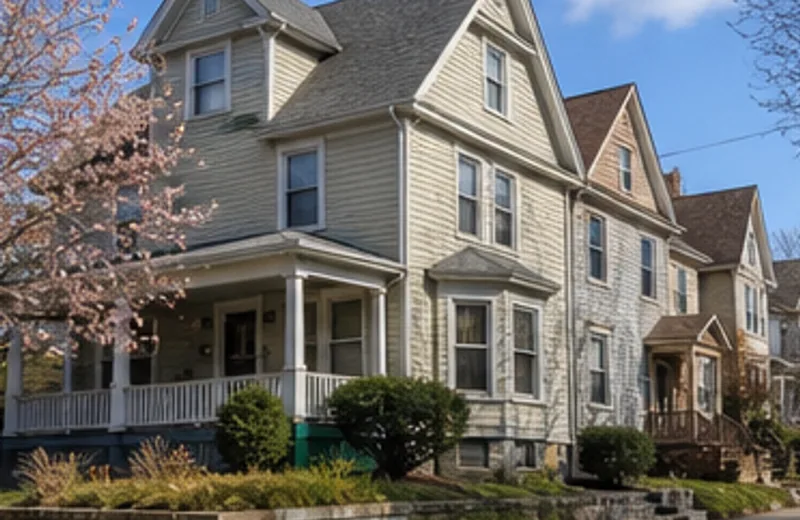
Daily life and home value can change within the same city. Compare commute, street setting, access to work and services, insurance exposure and the property itself instead of treating a citywide number as a neighborhood promise.
Across the 2020-2024 period, 38.1% of occupied homes in Rochester were owner-occupied, and median household income was $47,213. These citywide figures describe the area overall; neighborhood conditions can differ.
Before making an offer, compare the full monthly housing cost and property condition for every finalist. Include the price, taxes, insurance and any association fees.
The structure type changes the ownership checklist.
Detached, attached, multi-unit and manufactured housing can involve different maintenance, insurance, appraisal and financing questions.
Construction period is a prompt for due diligence.
The year built helps organize questions, but inspection findings and documented upgrades matter more than the decade alone.
Use citywide facts as context, not a personal budget.
93,261Households38.1%Homeownership6,184Veterans
Income, tenure and population describe the city. Your Rochester price range still depends on income, debts, assets, rate, loan program and complete property costs.
Rochester housing market
Compare the price and the market direction.
Rochester city geography · June 2026
Typical home value$252,192
Put Rochester's home value and annual trend in context.
Rochester's typical home value is $252,192, up 4.3% from a year earlier. Use this citywide trend as a starting point, then compare neighborhood listings, property condition and the full monthly housing cost.
Typical home value$252,192Rochester citywide · June 2026
Annual home value direction4.3% higherRochester citywide · June 2026
Homeownership rate38.1%Rochester citywide · 2020–2024
Median household income$47,213Rochester citywide · 2020–2024
Rochester planning tools
Monthly payment calculatorPut the local price and property costs into one monthly estimate.
The Rochester figures above provide citywide context. Enter your own price, cash, taxes, insurance, association costs, and loan assumptions to estimate the complete monthly payment.
 Estimate a complete monthly payment for a home in Rochester.Estimate principal, interest, taxes, insurance, mortgage insurance, association dues, and cash to close.Calculate a payment→
Housing patterns to compare
Review the citywide housing mix.
Use these citywide categories to guide your property questions. They are not neighborhood names.

61.9% was built before 1940; another 25.4% dates from 1940–1979
Older housing stock
Use this citywide pattern to plan the inspection, then review the age, systems and renovation records of the specific property.
44.0% of housing is single-unit detached
Single-unit detached homes
The citywide housing mix does not describe every block. Compare the lot, exterior, systems and ongoing maintenance alongside price.
55.6% of housing is attached or multi-unit
Attached and multi-unit homes
Use the citywide housing mix as a starting point, then verify the association, insurance, project eligibility, parking and shared-building details.
Housing history and home types
Rochester's housing eras shape what buyers inspect and budget for.
The Rochester citywide housing stock spans different construction periods. Those figures are context rather than a neighborhood estimate, and the specific property's condition and records still control the review.

61.9% of local housing predates 1940.
Character and location can be compelling, while electrical, plumbing, foundation, drainage, additions and documentation deserve a property-specific review.

25.4% was built during the mid-century and postwar decades.
Roof, windows, insulation, service panels, sewer lines and prior renovations can vary widely even among nearby homes of the same era.

12.7% was built from 1980 onward.
Newer construction still calls for an inspection plus a review of association reserves, assessments, warranties, permits and neighborhood development.
Education context
Verify the address, district and current school information.
A mailing address in Rochester does not guarantee a particular school assignment. Check the exact property address with the serving district, then review current public reports rather than relying on a listing label.


Citywide education data is context—not a school rating.
These citywide measures describe education participation and attainment. They do not measure graduation, readiness, attendance or individual school quality. Verify the exact address, serving district and current school reports separately.
Verify addressConfirm districtReview current reports
What ownership costs here
Make condition, housing type and recurring costs part of the Rochester comparison.
Two similarly priced homes can produce different monthly costs and repair exposure. Review the structure, age, insurance, taxes, association obligations and documented improvements before choosing the better fit.

Housing age
61.9% predates 1940 and 25.4% dates from 1940–1979.
Use this Rochester citywide starting point to organize a focused inspection and records review for the actual home.

Housing type
44.0% is single-unit detached housing.
The Rochester citywide mix is context; lot, exterior and system responsibilities at the property determine the true ownership budget.

Newer stock
12.7% was built from 1980 onward.
Review warranties, associations, permits, assessments and nearby development even when the home is newer.

Median owner cost with a mortgage$1,244Rochester citywide · 2020–2024

Owner cost without a mortgage$593Rochester citywide · 2020–2024

Median gross rent$1,081Rochester citywide · 2020–2024
Housing units104,479Rochester citywide · 2020–2024

Property taxes
Estimate the new owner's bill from the expected value, assessment rules, exemptions and every local levy.

Property-specific insurance
Quote the exact address early and review freeze, snow, heating and roof performance; coastal wind, flood and storm exposure.

Association and shared costs
Review dues, reserves, master coverage, inspections, assessments and planned work before relying on the monthly budget.

Maintenance and utilities
Age, construction, climate, energy use, water, sewer and property condition belong in the inspection and reserve plan.
Nearby markets
Compare Rochester with nearby cities.
Use the same measure and time period across cities, then open a local guide for property details.
 New YorkSchenectady$818K4.4% higher year over yearView the guide
 New YorkAlbany$908K4.4% higher year over yearView the guide
 New YorkYonkers$897K4.4% higher year over yearView the guide
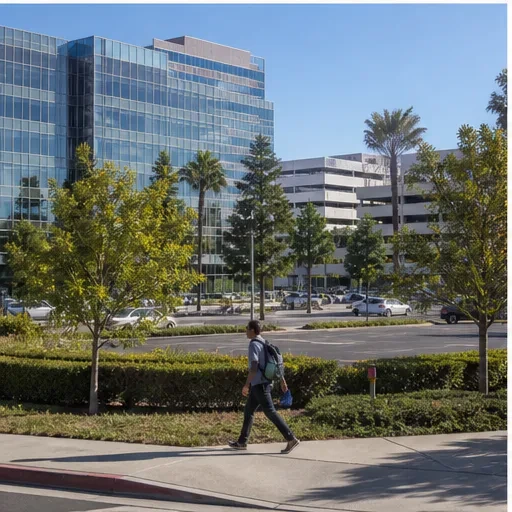 New YorkWhite Plains$860KView the guide
 New YorkMount Vernon$862K4.4% higher year over yearView the guide
 New YorkNew Rochelle$838K4.4% higher year over yearView the guide
 New YorkNew York$962K4.4% higher year over yearView the guide
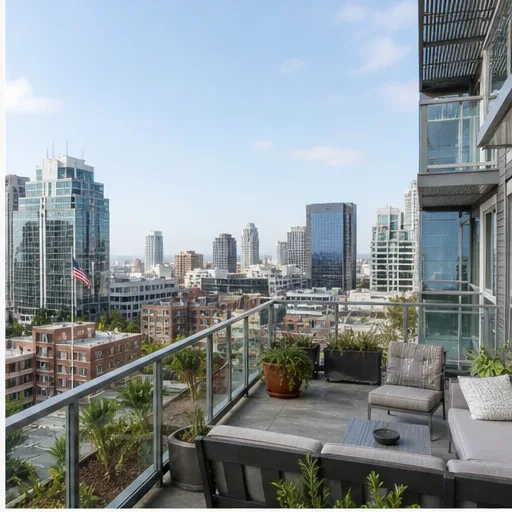 New YorkHempstead$857KView the guide
Rochester questions
Review the questions that affect a local purchase.
What is a typical home value in Rochester?
Rochester's typical home value is $252,192, up 4.3% from a year earlier. This citywide estimate reflects the middle tier of local homes; it is not an appraisal or a prediction for a specific property.
How much do homeowners in Rochester pay each month?
Among existing Rochester homeowners with a mortgage, the estimated median monthly owner cost is $1,244 for 2020-2024. A new buyer's actual cost will depend on the loan, property taxes, insurance and any association fees.
What is the homeownership rate in Rochester?
For 2020-2024, 38.1% of occupied homes in Rochester were owner-occupied. This citywide figure does not determine whether buying or renting is better for one household.
Which schools serve a Rochester home?
The exact property address determines the serving district and school assignment. Verify the address directly with the district and review current public reports before relying on a listing description.
Which mortgage works best for a home in Rochester?
The answer depends on credit, income, debts, assets, military eligibility, property type, occupancy, loan amount and how long you expect to keep the loan. Compare total cost and property rules across realistic options.
Does Rochester use a high-cost loan limit?
For properties in Monroe County, the Calendar year 2026 one-unit conforming limit is $832,750. Confirm the property county and number of units because limits are property-specific.
What should I inspect in an older Rochester home?
Start with a general inspection, then follow findings with appropriate specialists. Roof, wiring, plumbing, sewer, foundation, drainage, HVAC, additions, permits and insurance eligibility often deserve extra attention.
How should I compare nearby cities with Rochester?
Compare the same measure, geography and time period for every city. Then weigh the full monthly housing cost, commute, home type, condition and available inventory; a lower headline value does not always mean a lower total cost.
Prepare for the local search
Get prequalified before you tour homes in Rochester.
Use prequalification to compare the local market with a budget based on your information.